The Difference Between Physical Exhaustion and Mental Burnout
Have you ever had a day where you were physically exhausted but your brain just wouldn’t shut off? Did you know that dogs experience this too? At Zoomies Dog Care, we often see the signs of this overstimulation in action. Understanding the difference between a good tired and mental burnout is a game-changer for your dog’s well-being, especially if you learn to pick up on the signs before they reach that point.
Understanding Trigger Stacking
In the world of dog behavior, we often talk about Trigger Stacking. Think of your dog as carrying a bucket. Every exciting or stressful event—a squirrel in the yard, a loud truck on Rockville Pike, even a doorbell—adds a drop of “stress juice” (cortisol) to that bucket.
Individually, these events are no big deal. However, when they happen back-to-back without a break, the bucket overflows. This is why a dog might normally be fine with a bath, but if they went to a busy park on the day before and a vet visit morning-of, that same bath might cause a total meltdown. Their “bucket” was already full.
Signs Your Dog is Reaching Their Limit
Recognizing the symptoms of an overflowing bucket is the best way to course-correct before a “blowout.” You might see this in your own pups—our Oakley is prone to “punching” us with her huge front paws, and Luna follows us around the house, biting at our legs when she’s had too much!
Keep an eye out for these recognizable signs of overstimulation:
- Hyper-activity: Zooming around frantically rather than lying down.
- “Sharky” behavior: Nipping at hands, heels, or the leash.
- Lack of focus: Suddenly “forgetting” basic commands they know perfectly.
- Physical markers: Bloodshot eyes, excessive panting (when it’s not hot), or pinned-back ears.
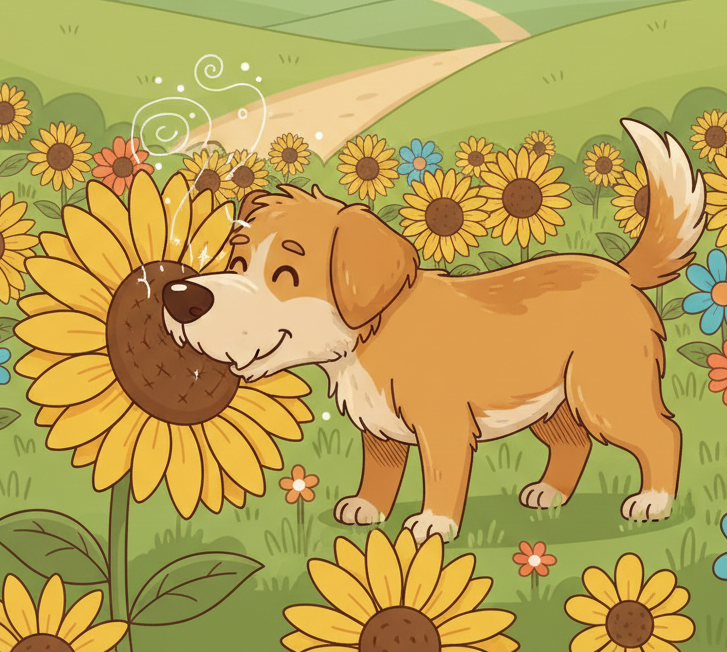
The Power of Stopping to Smell the Roses
I recently put this into practice with a daily walking and grooming client here in Montgomery County. Usually, we aim for a fast-paced, mile-long walk. However, on grooming days, I instinctively changed our routine. Instead of pushing for distance, we spend 20 minutes just “stopping to smell the roses.”
Because he spends that time engaging his brain and following his nose at his own pace, his heart rate lowers. Consequently, he is much more relaxed on the grooming table afterward. Even his “touchy” spots, like his feet, are easier to handle because he isn’t mentally fried from a long, hectic trek.
Helping Your Dog Decompress
If you notice your dog’s bucket is getting full, you can help them “drain” it by encouraging self-soothing behaviors. Besides the slow “sniff-heavy” walk, here are a few other ways dogs naturally reset their nervous systems:
- Repetitive Licking: Licking releases endorphins. A “Lick Mat” or a frozen treat can do wonders for a stressed pup.
- Chewing: Offering a safe chew toy helps release pent-up tension in the jaw.
- Shaking it off: You’ve seen dogs do a “full body shake” after a bath or a tense greeting—this is literally them shaking off the adrenaline!
The Post-Work Reset
After a grooming session, I always encourage a bout of “Groomie-Zoomies.” This allows the dog to blow off the “stay still” energy they used during the groom. It’s a vital part of keeping their experience positive.
The Takeaway for MoCo Pet Parents
Next time your dog seems “cranky” after a busy day at daycare or a loud park, they might not need more exercise. They might need a decompression walk. Trade the long run for a slow sniff. Ultimately, a mentally balanced dog is a happy, healthy dog.