
The Science Behind The Burst of Energy
If you’ve ever walked through your front door only to have your dog transform into a fuzzy blur of fur and adrenaline, you’ve witnessed the “Zoomies.”
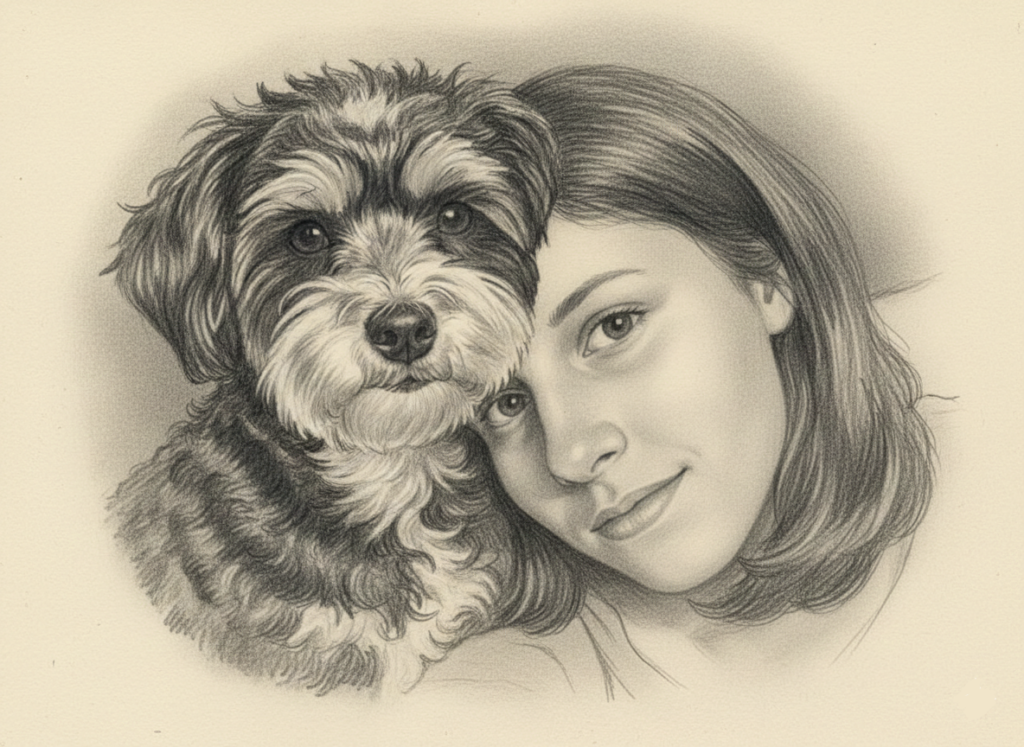
Long before we founded Zoomies Dog Care, and years before Luna and Oakley became our “management team,” I had Lola. She was a sweet, poised Havanese who generally preferred a calm greeting. But for a select few—myself, my partner Spray, and my aunt—Lola held nothing back.
Whether I had been gone for ten minutes or ten days, the second I walked in, Lola would lose it. She’d work herself into such a frenzy she’d occasionally piddle from pure joy, and then she was off—tearing across the living room in a tight figure-eight circuit. We called it “Mad Dog.”
Twenty years later, I know the science behind the “Mad Dog.”
What is a FRAP?
In the professional dog world, we don’t just call them zoomies; we call them FRAPs—Frenetic Random Activity Periods.
A FRAP isn’t “bad behavior” or a lack of training. It is a physiological “pressure valve.” Think of it like a chemical spike of adrenaline and dopamine that the dog’s body simply has to burn off.
The Three Most Common Zoomie Triggers
The Social Release:
This was Lola. After the “stress” of waiting for her favorite person to return, the sight of me was the spark that blew the lid off the pressure cooker.
The Post-Bath Burst:
Ever wonder why dogs go crazy after a bath? It’s a mix of relief that the “ordeal” is over and an instinctual drive to dry off and rub their own scent back onto their fur.
The Evening “Witching Hour”:
Many pups get the zoomies right around dinner time or before bed. This is often just a final discharge of the day’s pent-up mental and physical energy.
How We Handle the Energy at Zoomies
At Zoomies Dog Care, we celebrate that joy, but we do it with a “Firm Handshake” approach. Because I work with high-drive dogs like my Shiba Inu and Husky mix, I know that an uncontained FRAP can lead to “zoomie-related” injuries like slipped paws or torn lawn turf.
Our goal is to provide the structured exercise and mental stimulation that prevents that “pressure cooker” from getting too full in the first place. When your dog has a consistent routine and a professional handler who understands their body language, those zoomies become a happy highlight of the day rather than a chaotic explosion.
Does your dog have a specific “Zoomie Circuit” in your house? Tell me about your “Mad Dog” stories in the comments!