
Zoomies Explained
The Science Behind the Burst of Energy
If you've ever seen your dog transform into a fuzzy blur of fur and adrenaline when you walked through the front door, you've witnessed the zoomies that inspired our name.
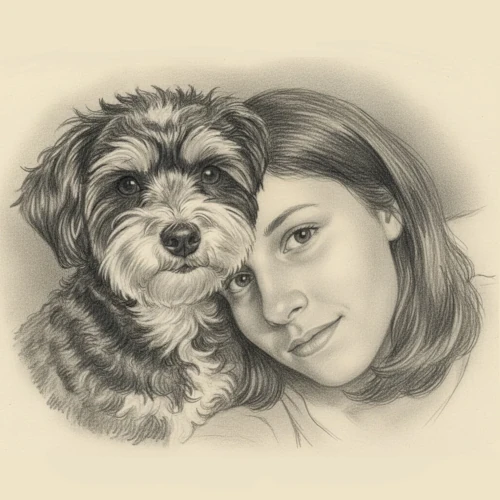
Long before we founded Zoomies Dog Care, not long after the Zoomies Team met in middle school, I
had Lola. She was a sweet, poised Havanese who generally preferred a calm greeting, offering a few
wiggles of her tail and a few taps of her little paws. But for a select few - myself, my partner Spray,
and my aunt - it was a different story.
Whether I had been gone for ten minutes or two months, the second I walked in, Lola would lose it.
She'd work herself into a frenzy of excited whining and wiggling, release a "piddle" (excited
urination), and then she was off! She'd run a figure eight circuit that involved circling the dining
room table and the leaping off the living room couch.
We called it "mad dogging" - I didn't know the term "zoomies" until many years later.
What is FRAP?
Though we are pretty partial to "zoomies," the actual term for this behavior is FRAP - Frenetic Random Activity Periods. A FRAP
isn't bad behavior or a lack of training. It is a physiological reaction to excitement, a pressure valve
that allows them to quickly burn off a chemical spike of adrenaline and dopamine.
If your dog starts doing zoomies more than usual or at inappropriate times, like the middle of the
night, they are likely trying to tell you they aren't getting enough mental or physical exercise during
the day. Otherwise, make sure there aren't any nearby hazards, sit back, and watch the physical
manifestation of their excitement unfold.
The Most Common Zoomies Triggers
- Social Release: Imagine getting together with your closest friend after months or years apart. That excitement builds up inside your dog until the pressure becomes too intense to keep bottled up. This happens a lot at dog parks, too, especially if your dog has a "best friend" they play with regularly.
- Groomie-Zoomies: Dogs often go crazy after a bath, triggered by the relief that the "ordeal" is over, the pressure to behave despite any discomfort they are feeling with the process, and the instinctual drive to rub their own scent back into their fur.
- Mealtimes: For dogs who are highly motivated by food, the sound of their bowl hitting the kitchen counter, the rustle of the dog food bag, or the pop when you open a can of wet food can trigger a bout of zoomies. It can be entertaining and rewarding to you for the simple task of providing them dinner! I highly recommend waiting a few minutes after the zooming finishes before feeding, though; it can cause stomach issues to eat immediately after heavy exercise!
- Witching Hour: Many pups get the zoomies right before bed. This is often just a final discharge of the day's pent-up mental and physical energy.